
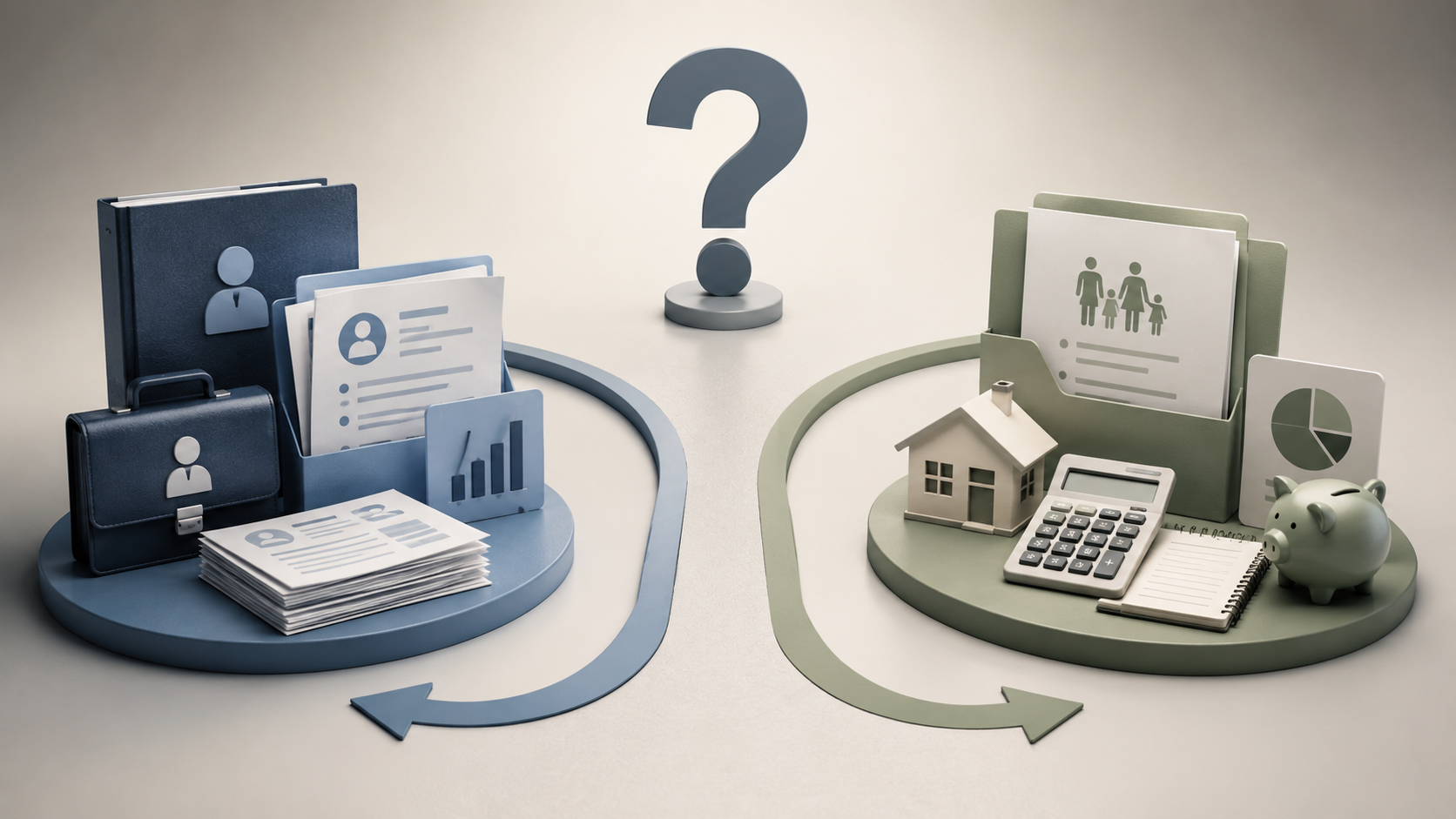
Many people use the terms SSDI and SSI interchangeably, but they are not the same program. Both are administered by the Social Security Administration, and both can help people with disabilities. However, they have different eligibility rules, payment calculations, and health coverage connections.
Understanding the difference matters because applying for the wrong benefit — or missing a benefit you may qualify for — can delay financial support at a time when income, medical care, and documentation are already stressful.
What Is SSDI?
SSDI, or Social Security Disability Insurance, is a disability benefit for people who have worked in jobs covered by Social Security and have a medical condition that meets Social Security’s disability rules. SSA explains that SSDI provides monthly payments to people whose disability stops or limits their ability to work, and eligibility generally requires both a qualifying disability and enough work history.
In simple terms, SSDI is tied to your work record. Workers pay Social Security taxes through their wages or self-employment income. If they later become unable to work because of a qualifying medical condition, SSDI may provide monthly benefits based on their earnings history.
SSDI may be the right program for someone who:
- Worked and paid Social Security taxes
- Has enough recent work credits
- Has a severe medical condition expected to last at least 12 months or result in death
- Cannot perform substantial work because of the condition
SSA states that Social Security pays only for total disability, not partial disability or short-term disability. The condition must prevent substantial work, prevent the person from doing past work or adjusting to other work, and last at least 12 consecutive months or be expected to result in death.
What Is SSI?
SSI, or Supplemental Security Income, is a needs-based benefit for people who have limited income and resources. Unlike SSDI, SSI is not based on a person’s work history. SSA states that SSI provides monthly payments to people with disabilities and older adults who have little or no income or resources.
SSI may be available to adults or children who have limited income, limited resources, and a qualifying disability, blindness, or are age 65 or older.
SSI may be the right program for someone who:
- Has little or no income
- Has limited resources
- Has not worked enough to qualify for SSDI
- Is disabled, blind, or age 65 or older
- Is a child with a qualifying disability and limited household resources
For 2026, the maximum federal SSI payment is $994 per month for an eligible individual and $1,491 per month for an eligible individual with an eligible spouse, though the actual amount can be reduced by countable income and other factors.
The Biggest Difference: Work History vs. Financial Need
The easiest way to understand the difference is this:
SSDI is based on work history. SSI is based on financial need.
For SSDI, Social Security looks at whether the applicant worked long enough and recently enough under Social Security-covered employment. In 2026, a worker earns one Social Security work credit for each $1,890 in wages or self-employment income, up to four credits per year. Many workers generally need 40 credits, with 20 earned in the last 10 years before disability began, although younger workers may qualify with fewer credits.
For SSI, Social Security focuses on income, resources, living arrangement, disability status, age, blindness, and other eligibility factors. SSA explains that SSI income can include wages, Social Security benefits, workers’ compensation, unemployment benefits, pensions, VA benefits, help from friends or relatives, and free food or shelter.
SSDI vs. SSI: Key Differences
| Category | SSDI | SSI |
| Main basis for eligibility | Work history and disability | Financial need, disability/blindness, or age 65+ |
| Work credits required? | Yes, in most cases | No |
| Income/resource limits? | Not the same as SSI, but work activity matters | Yes |
| Benefit amount | Based on past earnings | Based on federal SSI rate, countable income, living situation, and other factors |
| Health coverage | Medicare may be included | Medicaid may be available, depending on state rules |
| Children eligible? | Sometimes through a parent’s record, such as Disabled Adult Child benefits | Yes, if the child meets disability and household financial rules |
Can Someone Receive Both SSDI and SSI?
Yes. Some people may qualify for both SSDI and SSI. This is often called receiving “concurrent benefits.”
For example, someone may qualify for SSDI because they worked and paid Social Security taxes, but their SSDI payment may be low because of limited earnings history. If that person also has very limited income and resources, SSI may help supplement the monthly benefit.
This is one reason it is important not to assume that SSDI and SSI are an either-or choice. In some cases, a claimant may need to be screened for both.
How Disability Is Evaluated
For adult disability claims, Social Security generally looks at whether the applicant has a medically determinable impairment that prevents substantial gainful activity and is expected to last at least 12 months or result in death. SSA also reviews whether the person can do past work or adjust to other work based on medical conditions, age, education, work history, and transferable skills.
This means a diagnosis alone is usually not enough. The application should show how the condition affects the person’s ability to function and work. Medical records, treatment history, test results, doctor statements, medication side effects, and work limitations can all matter.
Why Claims Get Confusing
Many claimants struggle because SSDI and SSI overlap in some ways but differ in others. A person may be disabled but not have enough work credits for SSDI. Another person may have enough work history but be denied because Social Security finds they can still perform other work. Someone else may qualify medically but have SSI reduced because of income, household support, or living arrangement issues.
Common points of confusion include:
- Thinking SSI requires work history
- Thinking SSDI is only for low-income applicants
- Assuming a diagnosis automatically qualifies
- Not understanding the 12-month duration requirement
- Applying without enough medical documentation
- Missing appeal deadlines after a denial
What to Do Before Applying
Before applying for SSDI or SSI, claimants should gather medical records, work history, medication information, doctor contact details, income information, and resource information. For SSDI, work history and recent earnings are especially important. For SSI, income, resources, and household living arrangements can affect eligibility and payment amount.
A careful application can help reduce delays and avoid unnecessary mistakes. If a claim has already been denied, the appeal deadline is especially important because waiting too long may require starting over.
Bottom Line
SSDI and SSI are both disability-related programs, but they serve different purposes. SSDI is for workers who paid into Social Security and meet disability rules. SSI is for people with limited income and resources who are disabled, blind, or age 65 or older.
The right path depends on work history, income, resources, medical evidence, and the impact of the condition on the person’s ability to work. Anyone unsure which benefit applies should review both programs carefully before applying or appealing a denial.